Product
Description
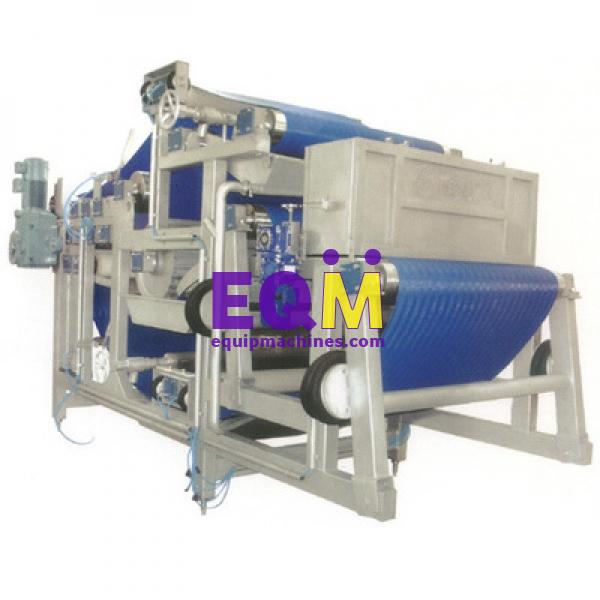
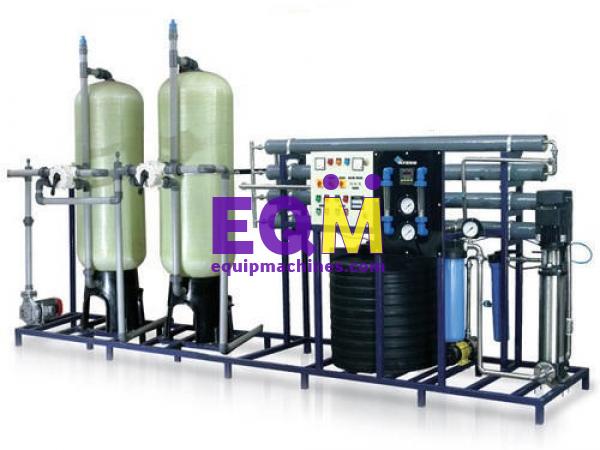
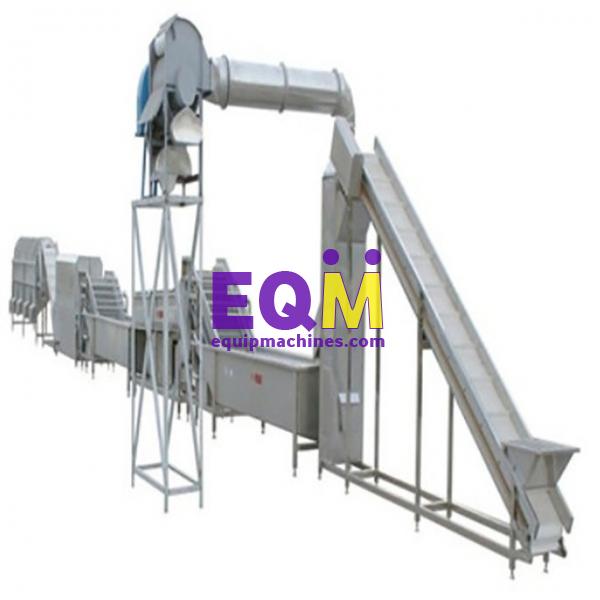
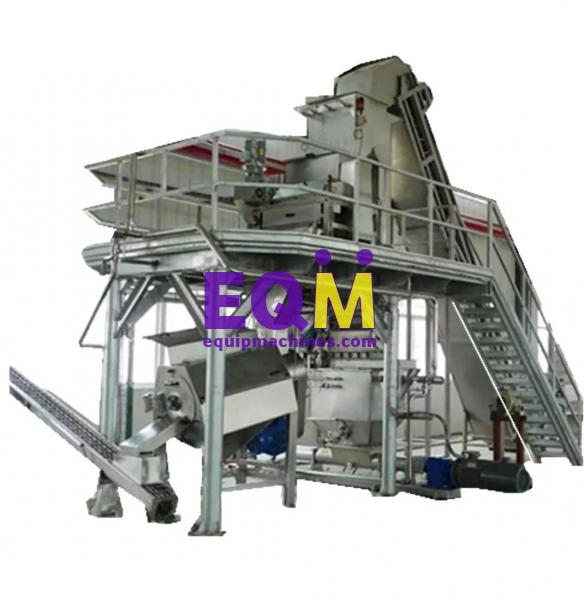
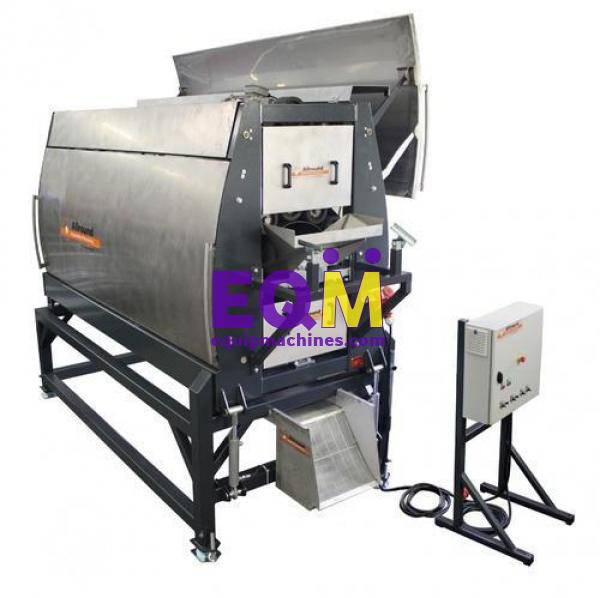
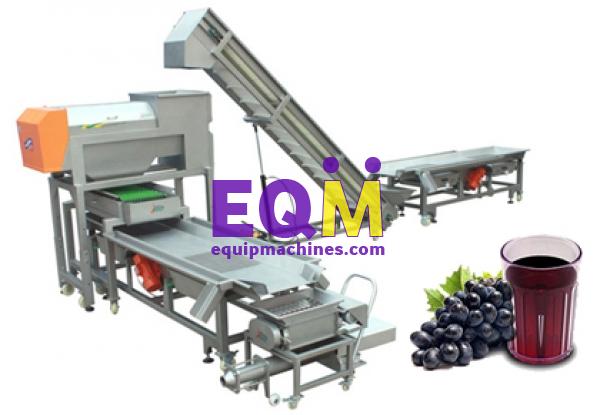
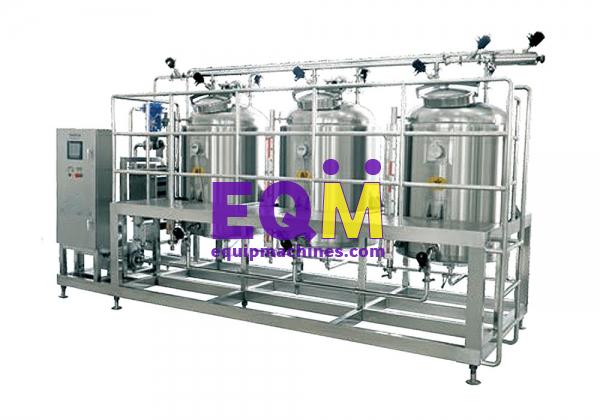
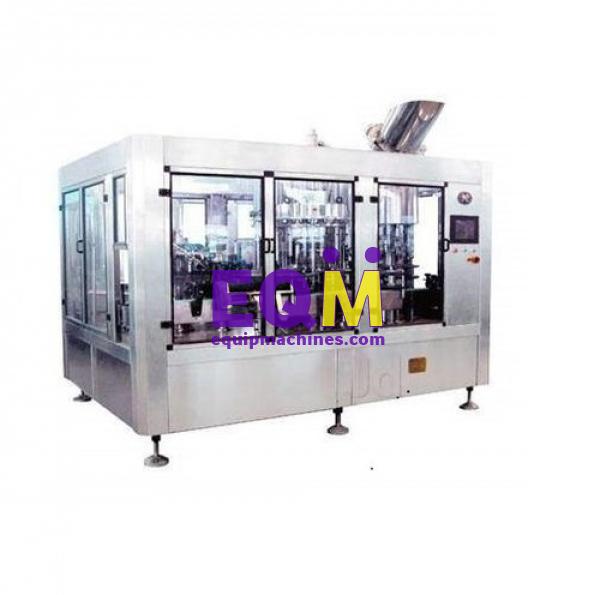
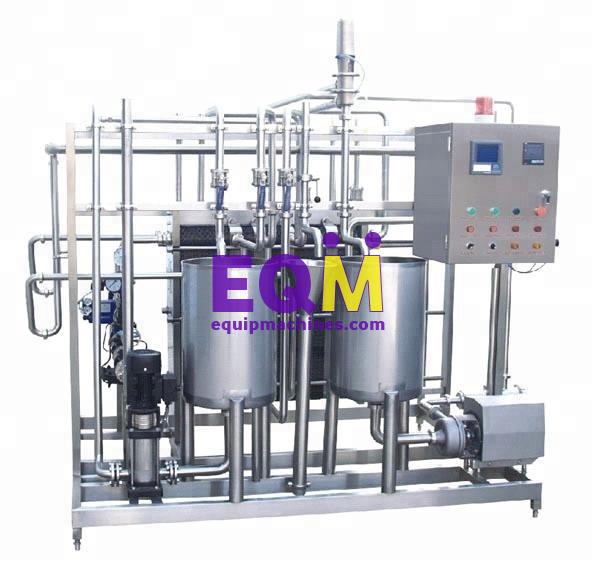
Food Condensed Milk Processing Plant
Technical specification
Sweetened condensed milk process line manufactured from fresh milk. Before evaporation, the fat and solids-non-fat values of the milk have been standardized to predetermined. The milk has also been heat treated to destroy micro-organisms and enzymes which could cause problems and to stabilize the protein complex. Heat treatment is also important to the development of product viscosity during storage, and is particularly important in the case of sweetened condensed milk. The addition of sugar is a key step in the manufacture of sweetened condensed milk, as the shelf life of the product depends on its osmotic pressure being sufficiently high. A sugar content of at least 62.5% in the aqueous phase is required. Two methods are used for addition of sugar:
•Addition of dry sugar before heat treatment
•Addition of sugar syrup in the evaporator
The stage at which the sugar is added affects the viscosity of the end product. The evaporator is usually of the multistage falling-film type. When sugar is added in the evaporator, the syrup is drawn into the evaporator and mixed with the milk at the half-way stage of the process. Evaporation then continues until the required dry matter content has been reached. The dry matter content is checked continuously by determining the density of the concentrate.
Sweetened condensed milk must be cooled after evaporation. This is the most critical and important stage in the whole process. The water in the condensed milk can only hold half the quantity of lactose in solution. The remaining half will therefore be precipitated in the form of crystals. If the surplus lactose is allowed to precipitate freely, the sugar crystals will be large and the product will be gritty and unsuitable for many applications. It is consequently preferable to control the crystallisation of lactose so that very small crystals are obtained. The required crystallisation is accomplished by cooling the mixture rapidly under vigorous agitation, without air being entrapped. The cooled condensed milk is pumped to a storage tank where it is kept until the following day to allow the crystallisation process to be completed.
Sweetened condensed milk should be yellowish in colour and have the appearance of mayonnaise. Traditionally, it is packed in cans, which in this case must be cleaned and sterilized before filling as no sterilization takes place after canning. Nowadays it is also possible to pack sweetened condensed milk in aseptic paperboard packages. The product is also packed in big barrels, holding about 300kg, for supply to large-scale users.
Working capacity from 5 tons/d up to 100 tons/d
Products - Sweetened condensed milk
- Evaporated milk without sugar
- Condensed milk in varied package:
Can, aseptic paperboard packages,
big barriers; etc.
CONDENSED MILK LINE BENEFIT
1.Opportunity to realize products with customized recipes.
2.Opportunity to produce more than one product with the same processing line.
3.Wide customization of the final product.
4.Maximum yield, minimum production waste.
5.Highest energy savings thanks to the most advanced technologies.
6.Complete line supervision system through monitoring of every process phase.
7.Recording, visualization and printing of all daily production data.
Bulk manufacturing
Bulk manufacturers of Food Condensed Milk Processing Plant in China
Bulk production of Food Condensed Milk Processing Plant runs on our own lines in China, quoted factory-direct so the unit price falls as the quantity rises instead of sitting at a fixed list price. Wholesale buyers and project contractors sourcing food condensed milk processing plant from China usually begin with a quantity and a required delivery date, and that is all we need to return unit cost at volume, crate dimensions, gross weight and container fill. If you are comparing quotations from several suppliers, ask each of them to state the make of the major components: on this class of machine that is where real cost differences hide, not in the headline figure.
OEM and ODM production is available on bulk quantities of food condensed milk processing plant, which for most buyers means voltage and frequency matched to the destination, a capacity that fits the line it is going into, contact parts specified for the material being handled, and branding, manuals and cartons in your own name. Plan on three to six weeks in production for a made-to-order build plus transit, or seven to ten working days where the item is in stock.
If you are still narrowing down the specification, the wider processing plant range is worth comparing before you send the enquiry.
- Factory-direct pricingUnit cost banded by quantity, held for the validity period on the quotation.
- OEM and private labelBrand plate, manual and carton artwork in your own name on volume orders.
- Built to specificationVoltage, phase, frequency, capacity and contact materials set for your market.
- Inspection before dispatchIn-process checks plus a photographed pre-dispatch report for your approval.
- Container planningWe confirm the fill for a 20ft, 40ft or 40ft high-cube before you commit.
- Repeat ordersBuild specification kept on file so a second order is quoted against the same machine.
Export and shipping
Importing Food Condensed Milk Processing Plant from China
The documents matter as much as the machine when you are importing food condensed milk processing plant from China. HS classification is settled at quotation stage, and the consignment ships with a commercial invoice, packing list and certificate of origin, plus a fumigation certificate and marine insurance where your customs authority asks for them. Pricing is quoted FOB from the port of loading if you are using your own forwarder, or CIF to a named destination port if you want freight handled at our end.
Crating is built for the voyage rather than for a shelf, with moisture protection and shock resistance matched to the sea time to your port. If you are buying several ranges at once they can travel as one consolidated consignment on a single bill of lading, which reduces both the cost per unit and the number of documents to clear. Every machine ships with installation drawings, an operating manual and a spare parts list.
- HS classificationSettled before the quotation is issued, not at your port.
- Document setInvoice, packing list, certificate of origin, fumigation certificate, insurance.
- FOB or CIFYour forwarder from the loading port, or ours to your named destination port.
- Seaworthy packingCrating and moisture protection sized for the sea time to your market.
- Consolidated shippingSeveral ranges combined onto one bill of lading.
- After deliveryInstallation drawings, manuals and a spare parts list with every machine.
Buyer questions
Food Condensed Milk Processing Plant — frequently asked
Anything not covered here, put it in your enquiry and we will answer it with the quotation.
Email the sales deskWhat is the minimum order quantity for Food Condensed Milk Processing Plant?
food condensed milk processing plant can be supplied as a single unit where it is capital machinery, with banded pricing once the order runs to several units. Hand tools, spares and consumables are quoted in batch or container quantities instead. Tell us the quantity and the delivery window and we will confirm which minimum applies.
Can Food Condensed Milk Processing Plant be manufactured to our own specification?
Yes — OEM and ODM production is standard on bulk orders. The usual changes are voltage and frequency for the destination, capacity to suit the line it feeds, contact parts specified for the material being handled, and your own branding on the machine and packaging.
What is the production lead time for a bulk order?
Made-to-order machines typically take three to six weeks in production, plus sea freight transit to your port. Ready-stock items dispatch within seven to ten working days. Exact lead time is confirmed in writing on the quotation.
Can we inspect the goods before shipment?
Yes. Every consignment goes through in-process checks and a pre-dispatch inspection, and the photographed report is shared for your approval before the container is sealed. Third-party inspection by SGS, Bureau Veritas or an agency you nominate can be built into the terms.
What are your payment and shipping terms?
Terms are set on the proforma invoice and depend on order value and destination. Advance payment by telegraphic transfer against a proforma invoice is standard, and irrevocable letters of credit are accepted on larger capital orders. Shipping is quoted FOB from the port of loading or CIF to a named destination port.
Do you supply spare parts and documentation?
Installation drawings, an operating manual and a spare parts list are issued with every machine. Spares can be ordered against the original build specification, which we keep on file, and for plant-scale orders commissioning support can be arranged at quotation stage.
Related equipment
Food Condensed Milk Processing Plant from EquipMachines
Similar items you may want to compare before sending an enquiry.